
Smoking with herbs and incense
Incense herbs and incense combine a practice dating back thousands of years with the modern need for atmosphere, ritual and reflection – whether at a medieval market, in a re-enactment camp, at a LARP event or at home during the Twelve Days of Christmas. This category brings together incense blends, resins, incense woods, herbs and the appropriate accessories for incense burning for anyone who wishes to experience incense burning authentically and mindfully.

What incense is – and why there are so many forms

Incense is a collective term for all substances that produce aromatic smoke when burned – herbs, resins, woods, ready-made blends and incense sticks are all included. The diversity of forms is not a modern phenomenon, but the result of millennia of cultural practice across several continents: each culture developed its own incense rituals, preferred substances and accessories, based on the local flora and available trade routes.
A fundamental difference to be aware of when purchasing is that between direct and indirect burning. In direct burning, the material burns with an open flame – just like an incense stick. In indirect burning, the material is placed on top of a glowing, no-longer-burning charcoal; this produces aromatic smoke without a flame, and the fragrances unfold more slowly and with greater nuance. The latter method is particularly suitable for resins and herbs – and was already the preferred technique in monasteries and churches during the Middle Ages.
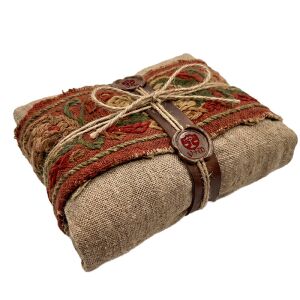
In our range, you’ll find not only individual components but also ready-blended incense mixtures from the Druidcraft brand – from elemental compositions such as Terra, Ignis, Aeris and Aqua to themed blends for seasonal festivals. These sets are recommended for beginners as they eliminate the need to blend individual ingredients; experienced incense users tend to opt for individual resins or herbs and create their own blends. Incense made from woods, resins and herbs is available, as are incense sticks for meditation and yoga.
Incense at a glance: herbs, resins, woods and blends
| Category | Examples from the range | Scent profile & use |
|---|---|---|
| Herbs | Sage, mugwort, hyssop, juniper berries, lemongrass, liquorice root | Historical Fresh-spicy to tart; used fresh on charcoal or dried; used in folk medicine and rituals since the Middle Ages |
| Resins | Olibanum (frankincense), myrrh, copal, dragon’s blood, benzoin, storax, mastic, dammar | Historical Intense, long-lasting; placed on glowing incense charcoal; deeply rooted in European and Oriental traditions |
| Woods & resins combined | Palo Santo, cedar, sandalwood, Swiss stone pine, spruce resin, labdanum, violin resin | Atmosphere Warm-balsamic to woody-spicy; for creating a cosy atmosphere and room fragrance |
| Ready-made blends | Terra, Ignis, Aeris, Aqua, Aequilibrium, Cernunnos, Nemoralis, Mani, Idun, Tyr, Oraculum adire, Istar, Hathor, Eir, Meditation I–IV, Influenza I | Introductory range Ready-blended; themed around occasions, names of gods and the annual cycle; ideal for getting to know the range |
| Incense sticks | Various scents (Berk) | Introductory Uncomplicated; no accessories required apart from a holder; direct burning |
Characteristic of the Druidcraft range are the mythological and elemental references in the blends: Ignis combines benzoin, myrrh, dragon’s blood and aniseed for a fiery, energising note – Aqua focuses on dreamwork and soul care with copal, hyssop and juniper berries. Those who prefer pure resins and incense will also find olibanum, myrrh and copal available as individual components.
Which incense herbs are suitable – and how to use them correctly
Sage is regarded in many cultures as a purifying herb – its tart, slightly camphor-like scent is one of the best known in the world of incense. Mugwort (Artemisia vulgaris) is traditionally associated with dreams, transitions and journeys and is one of the oldest European incense herbs of all. Lavender has a calming and floral effect, making it well suited to quiet evenings and meditation practices. Rosemary unfolds fresh, clarifying, resinous notes and was used in the Middle Ages to purify sickrooms and living spaces. Verbena brings a tart, spicy, slightly lemony profile and is firmly rooted in European folk magic. The range includes blends such as Tyr (sage, juniper tips, copal) for house cleansing and rituals, or Eir (olibanum, hyssop, cardamom) associated with the Norse goddess of healing.
Those wishing to gather incense herbs themselves will find a good selection in Central Europe: sage, mugwort, thyme, yarrow, lavender and rosemary grow in gardens or can be foraged in the wild in many regions. It is important to dry the herbs thoroughly before burning – wet or damp plants smoke heavily and release very little fragrance. To dry them, tie the herbs into loose bundles and hang them upside down in a warm, airy and shady spot. Once fully dried, the herbs can then be placed directly on incense charcoal or tied into bundles (smudge sticks) and lit directly.
The simplest method is direct smudging: bundles of herbs are lit, allowed to burn briefly and then blown out so that they merely smoulder and produce smoke. For individual herbs and resins, indirect smudging on self-igniting charcoal is the most common technique – the charcoal is held with tongs, lit and placed in a fireproof dish. Once it is glowing evenly, place the incense in small portions onto it using an incense spoon. A particularly gentle method is the soapstone incense burner – here, the material burns on a sieve over a tea light flame and smoulders slowly without direct heat.
Not all plants are suitable for burning – some are poisonous or release harmful fumes when burned. Plants that should not be burned include yew, datura, belladonna, oleander and all plants of the nightshade family (except for common culinary herbs). Plastic, varnished wood or chemically treated materials should also not be placed on the incense charcoal. If in doubt, the rule is: only use familiar, clearly identified and dried plants – and if using herbs you have collected yourself, be sure that they have been correctly identified.
Spiritual incense burning: meaning, effects and instructions

The spiritual dimension of incense burning is not a modern invention – it runs through virtually all advanced civilisations throughout history. In antiquity, priests offered aromatic resins at the altars of the gods; in the Christian Middle Ages, the scent of incense marked the sacred nature of worship; in monasteries, monks documented their knowledge of herbs and used specific plants for purification rituals. In European folk tradition, homes and stables were fumigated during seasonal festivals to seek protection and bid farewell to the old year.
The effect of incense can be described on several levels: atmospherically, aromatic smoke creates a clearly perceptible change in a room – the interplay of scent, wisps of smoke and the ritual act of burning has a focusing effect and draws attention. Psychologically, certain scents such as lavender (calming), rosemary (clarifying) or camphor (refreshing and invigorating) have long been known. In folk medicine, the antimicrobial properties of thyme, sage and lavender were already being used intuitively in the Middle Ages – even though the biochemical understanding was lacking. No healing claims can be derived from this, but the applications handed down through generations have a comprehensible basis.
Step-by-step: Indirect smoking with charcoal
- Hold a self-igniting incense charcoal tablet with tongs and light it on the side with a lighter or match until it sparks and glows evenly.
- Place the charcoal in a fireproof dish – ideally on a bed of sand or salt to protect the dish from the heat.
- Wait until the charcoal is fully glowing and shows a layer of grey ash (approx. 3–5 minutes).
- Place the incense – resin, herbs or a mixture – onto the charcoal in small portions using an incense spoon. Don’t use too much at once: less is more.
- Allow the smoke to drift naturally through the room or gently disperse it with a feather.
- Never leave the bowl unattended and allow it to cool completely after burning before putting it away.
The so-called ‘smudging’ to dispel negative energy is a custom deeply rooted in the folk culture of many countries: one systematically smudges every corner of a room – starting from the farthest corner, always moving towards the door – and combines the action with a conscious thought or intention. Whether one interprets this spiritually or simply as a ritual to raise awareness is up to the individual. Safety note: Always burn incense in well-ventilated rooms and never leave it unattended. If the smoke alarm goes off, it can be covered briefly – but must be reactivated immediately after burning.
Burning incense throughout the year: Which incense suits which time of year
The Twelve Days & Samhain
The Rauhnächte between Christmas and Epiphany, as well as Samhain at the beginning of November, are regarded as times of transition, during which old energies are bid farewell. Traditionally, frankincense (olibanum), myrrh and mugwort were used – for protection, purification and dream work. The incense sets for the Twelve Days offer ready-made blends such as Oraculum adire (sandalwood, cedar, juniper berries) for contact with the otherworld, or Aqua (copal, hyssop, juniper berries) for soul-healing dreams.
Imbolc, Ostara & Litha
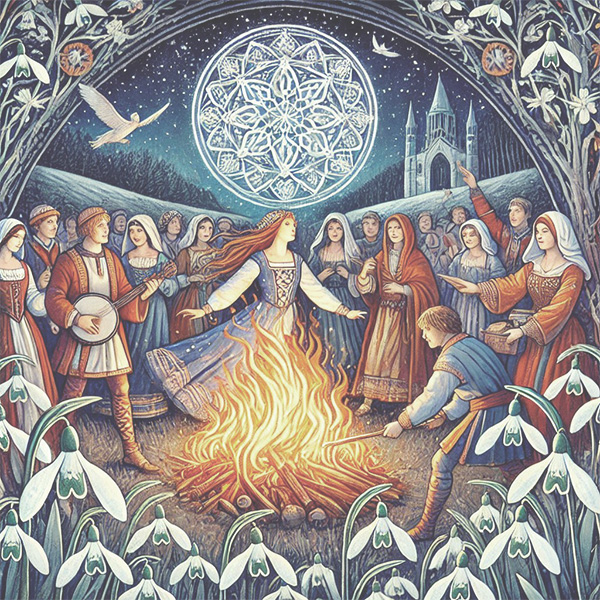
The spring festivals called for bright, fresh scents: lavender, rosemary and orange blossom symbolised purification and new beginnings. The Aequilibrium blend, featuring lavender blossom, rose blossom, sandalwood and various incenses, is ideal for Ostara and Imbolc. For the summer solstice (Litha), St John’s wort, cedar and Swiss stone pine were used – providing an aromatic accompaniment to the lighting of solstice fires. Idun (Palo Santo, copal, lemongrass, liquorice root) represents inner peace and renewal.
Mabon & Autumn Festivals
For Harvest Festival and the autumn celebrations, earthy, warming scents were used: sandalwood, patchouli, benzoin and cypress. The Cernunnos blend (benzoin, patchouli, damiana, violin resin) captures the masculine, spicy energy of autumn; Nemoralis (labdanum, Swiss stone pine, spruce resin, musk) brings a woody, grounding note. In folk culture, these incense blends are associated with gratitude and conscious letting go – a custom documented in medieval sources long before more recent esoteric trends.
The right incense accessories: What you need to get started
For a straightforward start: an incense stick holder or a sand-filled bowl is sufficient. Incense sticks burn directly and do not require charcoal. Ideal for a first encounter with the subject – also practical for use on the go at medieval markets.
For resins, herbs and ready-made blends: a fireproof bowl, self-igniting incense charcoal (round tablets), tongs and a bed of sand or salt to protect against the heat. An incense spoon allows for precise application without the risk of burns. Alternatively, the soapstone incense burner offers a particularly gentle method: the incense smoulders slowly on a sieve over a tea light flame – particularly suitable for fine blends and more delicate resins.
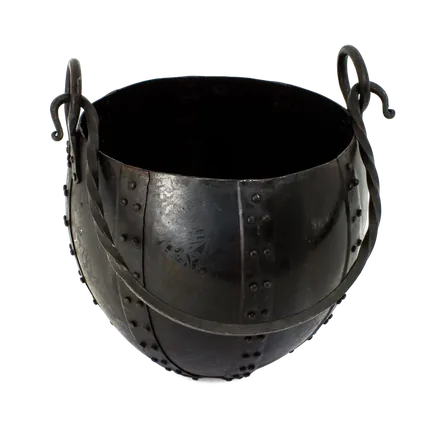
For those who have firmly integrated incense burning into their daily life, the annual cycle or re-enactment camps: a metal or clay incense pan, high-quality charcoal with a long burn time, a wide range of pure resins and incense woods, as well as themed sets for different seasons. In the esoteric section, you’ll find complementary accessories to create a harmonious overall look.
Whether you’re starting with a simple incense stick, looking for specific resins and herbs, or want to equip your re-enactment camp with authentic incense accessories – browse through the range and find the right incense for your next event.
Frequently asked questions
The most commonly used incense herbs include sage (purifying, tart), mugwort (dreams, transitions), lavender (calming), rosemary (fresh and clarifying) and verbena (spicy and tart). All these plants have been used in European folk medicine and customs since the Middle Ages. For resins, olibanum (frankincense), myrrh, copal and dragon’s blood are particularly suitable – they develop intense, long-lasting scents when burned on glowing incense charcoal.
Herbs can be lit directly as a dried bundle and then blown out so that they merely smoulder (smudge method). For more delicate aromas, place dried herbs in small portions using an incense spoon onto a fully glowing, self-igniting incense charcoal in a fireproof dish. The herbs must be completely dry before burning – damp plant material smokes heavily and releases hardly any fragrance. Good ventilation of the room is important.
Spiritual smudging is a ritual practised in many cultures to purify spaces and maintain thresholds – particularly at seasonal transitions such as the Twelve Days of Christmas or Samhain. When smudging, one systematically moves through every corner of a room, starting from the farthest corner and always working towards the door, whilst the smudging herbs are burning. The act is linked to a conscious intention or thought. Whether one interprets this spiritually or sees it as a focused ritual to raise awareness is a personal choice.
The effect of incense can be described on several levels: atmospherically, aromatic smoke noticeably transforms a room and fosters concentration. Certain fragrances such as lavender (calming) or camphor (clarifying and invigorating) have been well researched psychologically. In folk medicine, the antimicrobial properties of sage, thyme and rosemary have been used intuitively since the Middle Ages. No medical healing claims can be derived from this – but the practice, handed down through generations, has a comprehensible functional core.
Not all plants are suitable for burning: poisonous or toxic plants such as yew, datura, belladonna and oleander produce harmful fumes when burned and should not be placed on the incense charcoal. The same applies to plastic, varnished or chemically treated wood, as well as unknown plants that cannot be reliably identified. As a general rule, you should only use clearly identified, dried herbs or reputable ready-made products.