Celtic clothing
Celtic clothing combines traditional craftsmanship with a distinctive style — from the coarse woollen tunic of the common warrior to the colourful robes of the Celtic nobility. In this category, you’ll find tunics, undershirts and pleated skirts for re-enactment, LARP and medieval markets, priced between around 20 and 60 euros.



What did the Celts actually wear? Clothing from the Iron Age to the Early Middle Ages

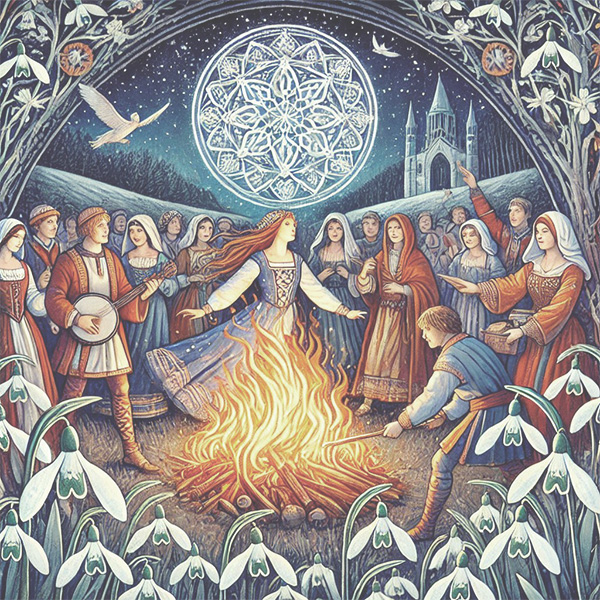
Historically, Celtic clothing was based on two basic materials: wool and linen. Cotton was scarcely found in Central Europe — it only appeared in authentic Celtic garments through trade contacts. Men wore a tunic (long or short), along with the characteristic trousers known as bracae and a rectangular cloak, the so-called sagum. Women dressed in a peplos — a sleeveless outer garment fastened at the shoulders with brooches — combined with a long under-tunic and a belt.
The Celts were particularly renowned in antiquity for their colourful attire: the Greek historian Diodorus describes them as a people who wore striped and checked fabrics in bright colours. Bog body finds, such as those from Thorsberg and Damendorf, confirm typical weave patterns — including check and herringbone patterns — as well as plant dyes in herb red, woad blue and meadow yellow. This historical evidence is directly incorporated into the design of the garments in the range.
The Celtic tunic: the centrepiece of the attire for ladies and gentlemen
The tunic is the central garment of any Celtic outfit — for all social classes and genders alike. The range offers a choice of different styles, varying in material, fit and price:
- Lodin wool tunic (~€50): Made from heavy wool fabric, suitable for both men and women — noticeably warm and robust, ideal for autumn markets and longer events.
- Short-sleeved tunic Aegir and short tunic Erik (~€33): Made from coarse-woven cotton, available in short or long sleeves — a good starting point for your first Celtic outfits.
- Leif, Snorri and Lofar undershirts (~€29): Lightweight base layer made from 100% cotton — can be worn as an undershirt beneath the main tunic or on its own for warmer events.
- Herringbone Tunic Tyr (~€59): The herringbone pattern is a historically documented weave from the Iron Age. The blended fabric, comprising 60% wool, 37% polyester and 3% nylon, improves shape retention and washability.
Historically, braids on the sleeves and neckline were a status symbol — they indicated rank and affiliation. In the modern range, these borders fulfil the same function as a visual distinguishing feature of Celtic garments and give the tunic its characteristic look.
Colours and patterns: What is typically Celtic?
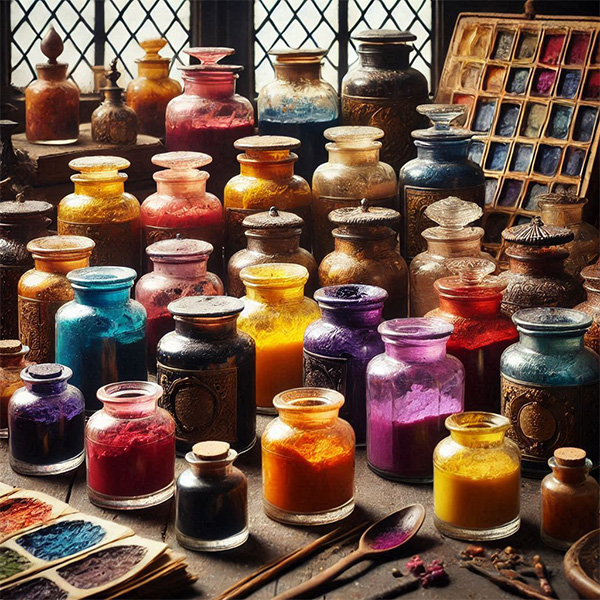
In antiquity, the Celts were regarded as exceptionally colourful. Strabo and Diodorus describe their clothing as striped and checked — an image confirmed by archaeological finds. Typical historical colours were produced using plant dyes: natural brown and beige as base tones, plus woad blue (from the woad plant), madder red (from the madder root) and various shades of green from reseda and other herbs.
The current range includes the following colours: green, grey, burgundy, brown, dark grey, black, blue and natural/hemp. Earth tones dominate — and this is in keeping with the historical model. Brown, grey and natural are particularly fitting for an initial Celtic look; those wishing to portray a nobleman or warrior should opt for burgundy or deep green as a sign of rank and wealth.
Getting started, building up and completing your look: Which Celtic clothing for whom?
A lightweight under-tunic (e.g. Leif or Snorri, ~€29) plus a short cotton tunic (Erik or Aegir, ~€33), together with a simple belt, provide a solid basic look for your first visit to the market. Affordable, easy to care for and versatile.
The Lodin woollen tunic (~€50) worn over an under-tunic gives the outfit noticeably more weight and authenticity. Complemented by a matching Celtic belt set and trousers, this creates a harmonious overall look — ideal for regular gatherings and longer events in the autumn.
Undergarment and outer garment, a wrap skirt or cloak for colder markets, plus Celtic shoes, belt, bag and brooches — this creates a complete Celtic outfit that is historically accurate and suitable for everyday wear during long event days. Many items in the range, including the Lodin woollen tunic, are explicitly suitable for all genders.
Celtic women’s clothing: peplos, outer robe and under-tunic
Celtic women wore a peplos over the under-tunic — a sleeveless outer garment fastened at both shoulders with brooches. This style of wear is well documented archaeologically and known from pictorial sources of the Iron Age and the early Middle Ages. A long-sleeved under-tunic (e.g. the Medieval Leif under-tunic) made of coarse cotton serves as the base layer; it offers freedom of movement and is sufficient as a standalone garment on warm days.
The belt is an integral part of Celtic women’s attire — it shapes the silhouette, defines the waist and allows for the attachment of Celtic bags and knives. In terms of colour, historical women’s clothing was based on muted earth tones, but thanks to plant-based dyeing with woad (blue), madder (red) and reseda (yellow/green), bright hues were also common — colour serving as a sign of prosperity and craftsmanship.
Comparison of materials: wool, cotton and linen for Celtic garments
| Material | Suitability | Properties |
|---|---|---|
| Wool (100%) | Historical | Temperature-regulating, robust, heavy fabric — gives the garment structure; ideal for autumn and winter markets |
| Cotton (100%) | LARP | Easy to care for, machine washable, lightweight and comfortable to wear — a good choice for beginners and warmer events |
| Linen / Natural fibre | Historical | Breathable, moisture-wicking — ideal for undergarments and summer markets |
| Wool/polyester blend (e.g. 60/37/3%) | LARP | Improved shape retention and washability compared to pure wool — historical weave pattern (herringbone) with modern care benefits |
The perfect complete outfit: combining Celtic clothing

The tunic is the foundation — but it is only with the right additions that a harmonious overall Celtic look is created. A Celtic belt defines the silhouette and holds a pouch, knife or adze. Over the tunic, a wrap-around skirt like the Loki made from dark grey wool (~€59) or a rectangular cloak made from heavy fabric cuts a fine figure even in cool weather — and is historically documented for Celtic men and women alike.
Brooches and garment fastenings round off the outfit in an authentic manner: historically, cloaks and peplos were held together solely by brooches, without seams or buttons. Complemented by matching jewellery and a Celtic knife on the belt, the result is a look that is just as convincing at a medieval market as it is at a historical re-enactment. If you wish to put together the entire outfit in one go, you will find ready-made combination sets under ‘Celtic Outfit’.
Whether you’re putting together your first Celtic outfit or completing an existing ensemble with a high-quality woollen tunic — in this category you’ll find tunics, undershirts and pleated skirts for every occasion and every budget. Discover matching Celtic shoes, Celtic belts and Celtic bags to create a harmonious overall look.
Frequently asked questions
The Celts mainly wore garments made of wool and linen. Men dressed in a tunic, trousers (bracae) and a rectangular cloak (sagum). Women wore a sleeveless peplos over a long under-tunic, fastened at the shoulders with brooches. A belt was an integral part of the attire for both sexes.
Ancient sources such as Diodorus and Strabo describe Celtic clothing as colourful, striped and checked. Typical colours were produced using plant dyes: woad blue, madder red, natural brown, beige and various shades of green. Finds from bog bodies confirm that checked and herringbone patterns were historically authentic weaving patterns of the Celtic Iron Age.
For a first Celtic look, we recommend a cotton under-tunic (e.g. Leif or Snorri, approx. €29) combined with a short tunic such as the Erik or Aegir (approx. €33). This combination is easy to care for, machine washable and offers a good starting point. If you’re looking for more authenticity and warmth, start with the Lodin woollen tunic (approx. €50).
Celtic women wore a long-sleeved under-tunic as a base layer, topped with a peplos — a sleeveless outer garment fastened at the shoulders with brooches. The belt was an essential structural element and also served to attach bags and tools. In terms of colour, alongside muted earth tones, bright plant-dyed shades of blue, red and yellow were also common.
Yes, the majority of Celtic clothing in our range is specifically designed for LARP. Cotton tunics (e.g. Erik, Aegir) are extremely comfortable to wear, machine-washable and robust enough for LARP use. The Lodin wool tunic or the Tyr herringbone tunic, made from a wool-polyester blend, are particularly dimensionally stable and designed for regular use.
Discover related categories
 Celtic swords
 Germanic clothing
 Viking clothing
Coats & capes
Gown fastenings & brooches
Viking clothing
Coats & capes
Gown fastenings & brooches
 Medieval trousers