


Celtic outfit


A Celtic outfit is more than just a costume – it is the combination of cut, fabric, colour and accessories that, when brought together, creates a historically accurate ensemble. Here you will find Celtic clothing in the form of tunics, undergarments and complementary garments that can be combined to create a complete Celtic look.
What makes a Celtic outfit: the basics of the attire

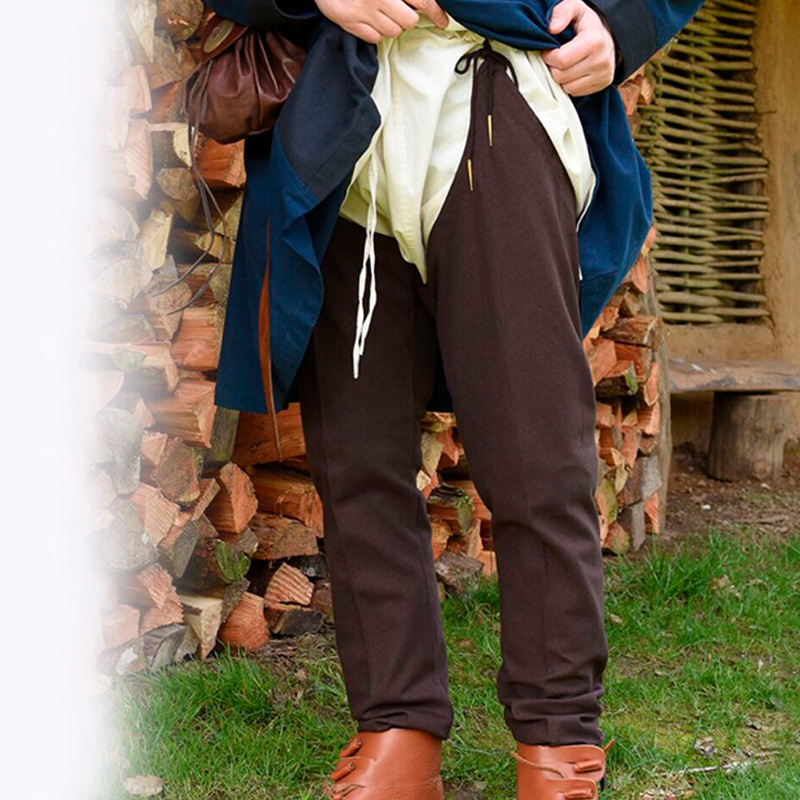
Celtic clothing from the Iron Age – roughly between 800 and 50 BC – followed a clear basic principle: a tunic, trousers and a cloak formed the basic ensemble. Key to understanding a historically authentic outfit is the layering principle: beneath a shorter or more plain outer tunic, a long-sleeved under-tunic was worn, which peeped out from the sleeves and provided warmth.
The predominant material was wool – robust, thermoregulatory and available in many colours in antiquity. Linen was used primarily for undergarments. The cut was straight and rectangular, without a defined waistline; the body was not emphasised, but rather covered and protected. This is precisely why many modern ‘Celtic costumes’ appear ahistorical at first glance: a figure-hugging cut or synthetic shiny fibres fundamentally contradict the character of Iron Age clothing.
Vibrant colours were also typically Celtic – ancient authors such as Diodorus described the Celts as particularly fond of colour. Plant-based dyes produced rich hues that were used in everyday wear and festive attire alike.
The centrepieces of the range: tunics from Aegir to Lodin
All tunics in this category are from Burgschneider, a manufacturer specialising in historical clothing. The range can be divided into three lines, which differ in terms of material, cut and intended use:
| Model | Material | Suitability | Price approx. |
|---|---|---|---|
| Aegir (short-sleeved) | 100% cotton, heavy | Beginner / LARP | ~€33 |
| Erik (short, unisex) | coarsely woven cotton | Beginner / LARP | ~€33 |
| Lodin (long-sleeved) | heavy woollen fabric | Reenactment / Camp | ~€50 |
| Tyr (herringbone, long-sleeved) | 60% wool / 37% polyester / 3% nylon | High quality / Weave pattern | ~€58 |
| Snorri / Lofar / Leif | 100% cotton | Undertunic / Base layer | ~€29 |
The Lodin woollen tunic is the centrepiece of the collection: long-sleeved, made from heavy woollen fabric, available in grey, dark grey, green, blue, burgundy and brown – and specifically designed to be unisex. The Tyr herringbone tunic stands out thanks to its distinctive weave pattern and is the most elaborate style in the range. The Snorri, Lofar and Leif base layer tunics serve as the first layer in a layered outfit and can be combined with any outer tunic. As a Nordic addition, the Loki pleated skirt is ideal for a combined Celtic-Germanic look, which is common at markets and in living history re-enactments.
What occasions is a Celtic outfit suitable for?
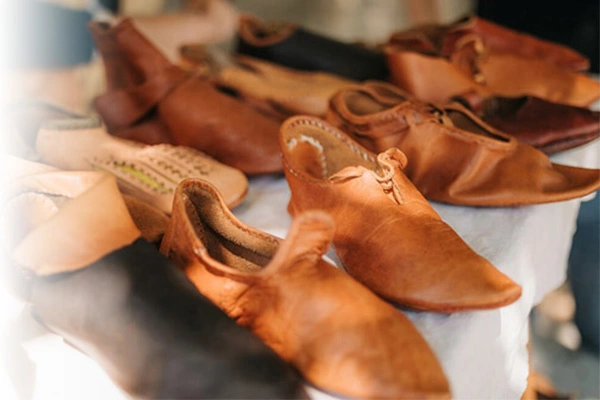
At medieval and living history events, the focus is on a cohesive overall look. Wool fabrics such as the Lodin tunic impress here with their feel, appearance and functionality – they regulate body temperature even in changeable weather. A neatly layered look consisting of an under-tunic and an over-tunic, complemented by Celtic belts and Celtic shoes, looks far more convincing than a one-piece outfit.
In a reenactment context, the demands on cut and material are higher. Wool is the standard main fabric; the straight cut without a defined waistline corresponds to archaeological findings. The Lodin tunic meets these requirements to a high standard. Those wishing to delve deeper into authenticity can combine it with historically documented accessories such as fibulae, leather straps and undyed woollen fabrics.
In LARP, the choice of materials is more flexible – Aegir and Erik in cotton provide a good basis for character costumes that draw on Celtic influences without being bound by historical specifications. The colour palette combines well with fantasy accessories. Freedom of movement and ease of care are key advantages of the cotton versions.
For one-off or occasional events, the Erik or Aegir short tunic is the simplest solution: affordable, easy to put on and forgiving in terms of fit. With a simple belt and leather shoes, you can create a presentable Celtic look in just a few minutes.
In summer, the lighter cotton tunic (Aegir, Erik) is recommended as the main garment – it is more breathable and more comfortable in the heat. In autumn and winter, the wool tunic Lodin takes on this role: wool insulates even when damp and dries slowly. The under-tunic system remains a sensible base in both seasons.
Colours and their historical significance among the Celts

In ancient times, the Celts were regarded as particularly fond of colour. Greek and Roman authors described their garments as bright and colourful – a stark contrast to the rather subdued colour palette of neighbouring cultures. This colourfulness was no coincidence, but the result of a highly developed tradition of dyeing using plant-based materials.
The most important historical dyes: woad provided shades of blue, madder (a root dye) yielded red to burgundy, and woad and reseda were sources of yellow and green. Undyed natural wool in grey and brown was common in everyday life – inexpensive, easy to care for and functional.
These historical shades are directly reflected in the current range: grey (the most common variant, natural colour), dark grey, green (inspired by woad/reseda), burgundy (madder red), brown (natural wool) and blue cover the historical colour spectrum well. For re-enactment contexts, the natural colours grey and brown are recommended for everyday wear; vibrant colours such as Bordeaux or green are suitable for ceremonial garments or performances where visual presence is required. Black as a variant is historically more difficult to substantiate, but is widespread in the LARP and market scene.
Putting together the complete Celtic outfit: layer by layer
100% cotton undershirt – Snorri, Lofar or Leif styles. The first layer sits directly against the skin, regulates moisture and ensures the outer tunic fits neatly. The long sleeves peek out at the wrists and complete the layered look.
Lodin woollen tunic for colder seasons and re-enactment requirements, or the Aegir or Erik short cotton tunics for summer and as a starter option. All styles are unisex and available in several sizes up to XXXL.
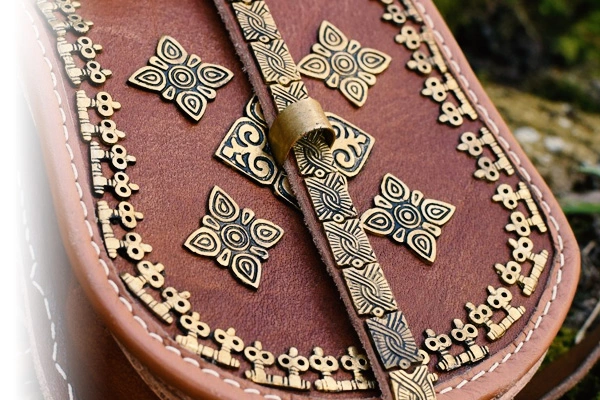
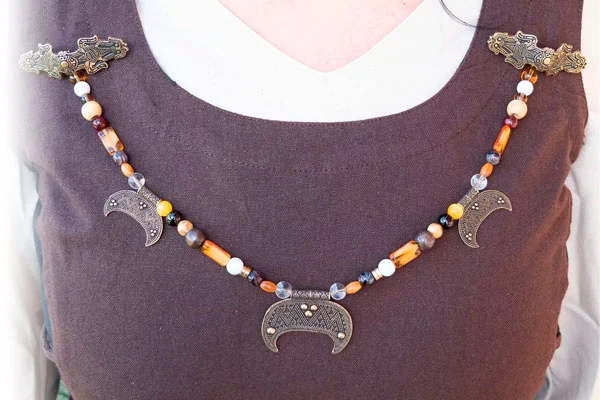
Loki pleated skirt as an outer layer or a woollen cloak for colder conditions. Complete the outfit with a Celtic belt, matching shoes, a Celtic bag and a brooch as a fastener. These accessories turn the basic outfit into a complete ensemble.
Material comparison: wool, cotton and blended fabrics
- Excellent thermal regulation, even when wet
- Historically authentic for Iron Age reenactments
- Ideal for reenactment events and autumn/winter
- Higher price (~€50), but more durable
- Safer around a campfire than synthetic fibres
- Lighter and more breathable in summer
- Affordable entry-level price (~€33)
- Easy care, machine washable
- Historically documented for undergarments; a compromise as an outer tunic
- Well suited for LARP and occasional use
The Tyr herringbone tunic (60% wool / 37% polyester / 3% nylon) occupies a special position: the weave benefits from the polyester content, which improves dimensional stability and colour fastness. However, for use around a campfire or in stage combat, natural fibres do not melt and offer significant advantages over synthetic blends when sparks fly. Those prioritising maximum authenticity or safety should opt for the pure wool version.
Whether you’re putting together your first outfit for the medieval market or creating a historically accurate Iron Age ensemble – with the right individual pieces, you’ll achieve a cohesive overall look. Browse through the range and combine tunics, belts, shoes and accessories to create your own personal Celtic look.
Frequently asked questions
The Aegir and Erik short tunics, made from 100% cotton, are ideal for beginners: they cost around €33 and are available in several colours. For a more historically convincing look – for example at re-enactment events or living history markets – we recommend the Lodin woollen tunic, which looks more authentic and provides better insulation.
Yes, most styles – including Lodin, Aegir and Erik – are specifically designed to be unisex. The straight, rectangular cut without a defined waistline corresponds to the historical model and suits a variety of body shapes. Sizes are available up to XXXL.
The basic framework consists of an under-tunic (e.g. Snorri or Lofar) as the first layer and an outer tunic (Lodin for wool, Aegir or Erik for cotton) as the main garment. Add to this a Celtic belt, matching leather shoes, a bag and, optionally, a brooch to fasten the garment. For colder conditions, a cloak or wrap-around skirt can be added as a third layer.
Ancient sources describe the Celts as particularly fond of colour. Plant-based dyes provided blue (woad), red to burgundy (madder), yellow (wau) and green (reseda). Undyed natural wool in grey and brown was the most common everyday colour. The range includes grey, dark grey, green, burgundy, blue and brown – all historically well-founded.
In principle, yes – the cotton Aegir and Erik tunics are well-suited as a base for LARP costumes, as they are robust and easy to care for. For use around a campfire or in stage combat, we recommend pure natural fibres (wool or cotton), as these, unlike synthetic materials, do not melt and are safer in the event of flying sparks.