The Nibelungen saga is one of the most powerful narratives in German literature – a story of heroism, love, betrayal and relentless vengeance. It combines real historical events from the Migration Period with mythological elements from Germanic and Norse tradition. Originating from oral tradition and recorded in writing in the early 13th century as the Nibelungenlied, it has shaped German culture for centuries – and has been repeatedly reinterpreted, misused and rediscovered in the process.

What to expect in this article
- Origins: History and Myth Intertwined
- The main characters
- The plot: Rise, betrayal, downfall
- Nordic parallels: Völsunga saga and Thidreks-Saga
- Historical background
- The Nibelungenlied as a political symbol
- Richard Wagner: The Ring of the Nibelung
- Modern adaptations
- The Nibelungen saga in LARP and re-enactment
 Reading time approx. 7 mins.
Key facts at a glance:
- The Song of the Nibelungs was written around 1200 in Middle High German – the author is unknown, and it is thought to have originated in the Danube region (Passau is considered the most likely candidate).
- The saga combines historical events of the 5th century with mythological motifs from Germanic and Norse tradition.
- Core themes: love, betrayal, loyalty, revenge – and the inexorable march of fate.
- In the 19th century, the Nibelungenlied was declared the German national epic – with far-reaching consequences extending into the Nazi era.
- Richard Wagner’s Ring of the Nibelung (1876) is the best-known artistic adaptation.
Origins: History and myth intertwined
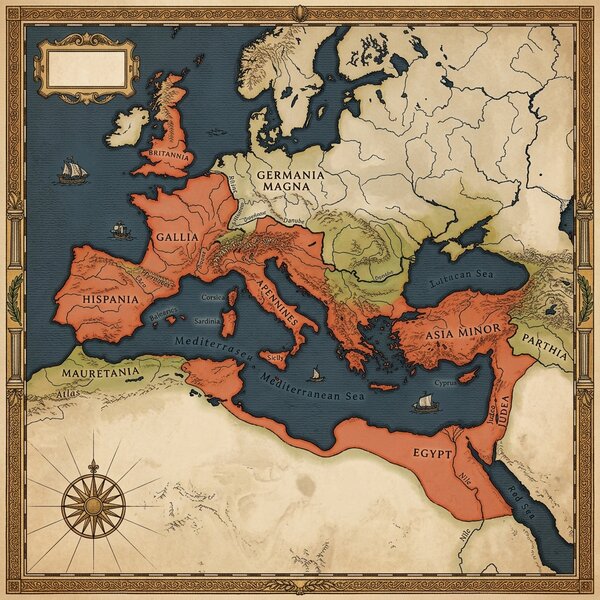
The roots of the Nibelungen saga lie in the Migration Period of the 5th and 6th centuries. A historical core is discernible: Gundahar (also Gundicharius), King of the Burgundians, ruled over a kingdom on the Middle Rhine around Worms from around 411 to 436. In 436, the Burgundians were annihilated in a devastating defeat by the Huns under the leadership of Attila – presumably with the support of the Roman commander Flavius Aëtius. This historical downfall of a people became the mythological template for the saga.
Over the generations, mythological motifs accumulated around this core: the dragon-slaying hero Siegfried, the magical treasure, the cloak of invisibility. Many of these motifs are also found in the Norse Völsunga saga – which shows that the saga is part of a broader Germanic-Norse narrative tradition.
The Nibelungenlied emerged around 1200 from this oral tradition. It was composed by an anonymous poet in Middle High German. Scholars suggest the Danube region as a possible place of origin – Passau in particular is considered likely, as Bishop Wolfger of Passau is regarded as a possible patron of the work.
The main characters
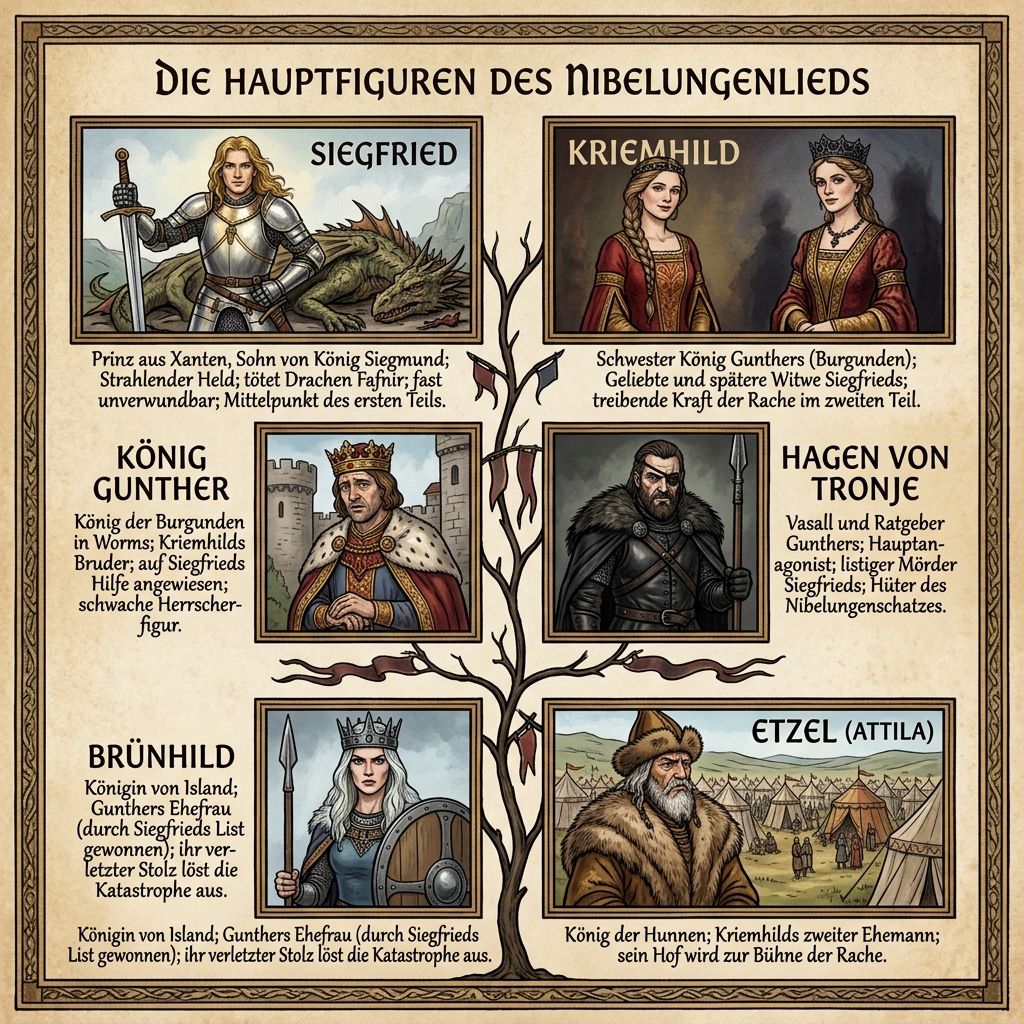
| Character | Origin / Status | Role in the saga |
|---|---|---|
| Siegfried | Prince of Xanten, son of King Siegmund | Radiant hero; slays the dragon Fafnir; almost invulnerable; central figure of the first part |
| Kriemhild | Sister of King Gunther (Burgundians) | Siegfried’s beloved and later widow; the driving force behind the quest for vengeance in the second part |
| King Gunther | King of the Burgundians in Worms | Kriemhild’s brother; dependent on Siegfried’s help; a weak ruler |
| Hagen von Tronje | Gunther’s vassal and advisor | Main antagonist; cunning murderer of Siegfried; guardian of the Nibelung treasure |
| Brünhild | Queen of Iceland | Gunther’s wife (won through Siegfried’s ruse); her wounded pride triggers the catastrophe |
| Etzel (Attila) | King of the Huns | Kriemhild’s second husband; his court becomes the scene of revenge |
The plot: Rise, betrayal, downfall
Part One: Siegfried and the Burgundians
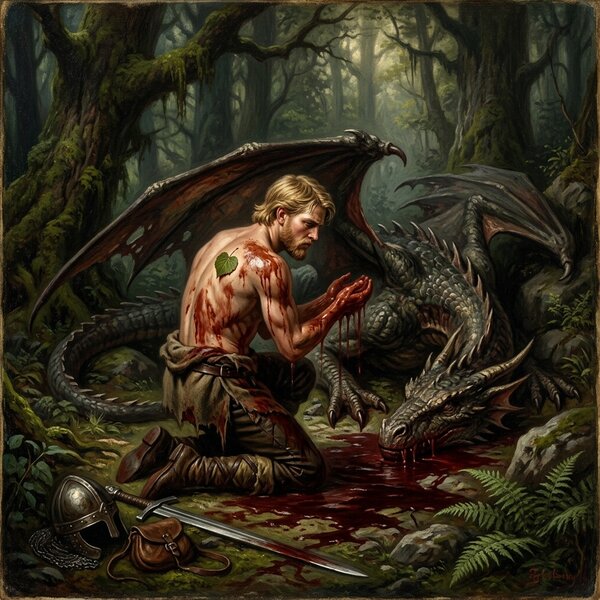
Siegfried, Prince of Xanten, slays the dragon Fafnir and bathes in its blood. This renders his skin virtually invulnerable – except for a spot between his shoulder blades, where a lime leaf had stuck during the bath. Siegfried also acquires the legendary Nibelung treasure and the magic helmet that renders him invisible.
He travels to the court of the Burgundians in Worms to take Kriemhild, King Gunther’s sister, as his wife. In return, he helps Gunther, through a ruse, to win the warlike Queen Brünhild of Iceland: wearing the cloak of invisibility, Siegfried takes on Gunther’s form and defeats Brünhild in the contests she has set as a condition for marriage.
This deception does not go unpunished. When Brünhild and Kriemhild humiliate one another in a dispute over rank, the truth comes out. Brünhild’s wounded pride prompts Hagen von Tronje to murder Siegfried. He strikes him from behind – at the vulnerable spot that Kriemhild had unwittingly revealed to him.
Part Two: Kriemhild’s Revenge
Kriemhild does not shy away from Siegfried’s murder. Years later, she marries Etzel, the mighty King of the Huns, and uses this position to take her revenge. She invites her brothers and Hagen to the Hun court – under the pretext of reconciliation.
The gathering ends in a bloody massacre. Almost all the Burgundians who have come to the feast are killed. In the end, Kriemhild kills Hagen with her own hands – seeking to force him to reveal the whereabouts of the Nibelung treasure. Hagen remains silent. Before she can respond, Kriemhild is killed by Hildebrand, one of Etzel’s followers.
The Nibelung treasure? Hagen had previously sunk it in the Rhine. It lies there to this day – so the legend goes.

Nordic parallels: Völsunga saga and Thidreks-Saga
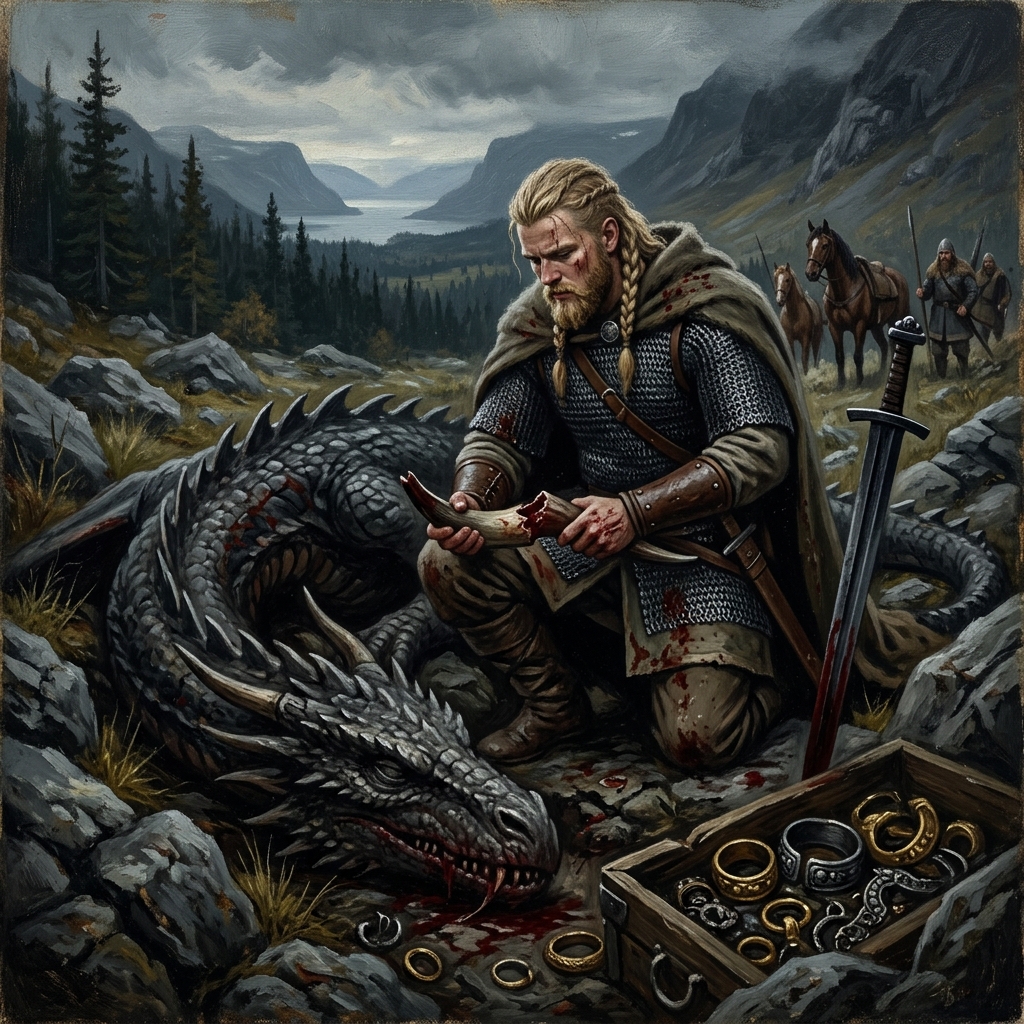
The Nibelungen saga does not exist as an isolated German work. Many of its motifs recur in Norse tradition:
- Völsunga saga (Icelandic, c. 13th century) – tells the story of Sigurd (= Siegfried), the dragon Fafnir and the cursed treasure. Characters and motifs overlap heavily with the Nibelungenlied, but are told from a Nordic perspective.
- Þiðreks saga (Thidreks Saga, Norwegian, c. 1250) – a Norse collection of heroic sagas which includes, amongst others, figures from the Nibelungen tradition, though in narrative strands that sometimes diverge.
These parallel traditions demonstrate that the Nibelungen saga is not a purely German national myth, but part of a shared Germanic-Norse narrative tradition that spanned the whole of Northern Europe.
Historical Background
Behind the mythological figures lie recognisable historical realities:
- Gundahar / King Gunther: Historically attested as King of the Burgundians on the Middle Rhine. His kingdom was destroyed by the Huns in 436 – possibly at the instigation of the Roman general Flavius Aetius.
- Attila / Etzel: The historical Attila (c. 406–453) was indeed the most feared ruler of the Huns. In the legend, he is reinterpreted as a significantly milder figure – he is not the villain, but Kriemhild uses him as a tool.
- Flavius Aëtius: Roman magister militum, who at times employed the Huns as allies. His collaboration with the Huns in the destruction of the Burgundians is historically plausible.
The Nibelung treasure has no proven historical counterpart – it is a literary symbol: the cursed gold that attracts greed and betrayal and ultimately destroys everyone.
The Nibelungenlied as a political symbol
Hardly any literary work in Germany has been exploited for political ends as intensively as the Nibelungenlied.
From around 1807, with Friedrich Heinrich von der Hagen’s first scholarly edition, the Nibelungenlied was declared the German national epic – as a counterpart to Homer’s Iliad, as proof of an independent German high culture. This interpretation intensified in the 19th century, when the search for national identity became a pressing political issue.
During the Nazi era, the saga became a tool of propaganda: Siegfried as pure, radiant Germany – stabbed in the back (Hagen as a symbol of the ‘stab-in-the-back myth’). This equation is historically incorrect and morally reprehensible, but it shows how dangerous an uncritical approach to mythological narratives can be.
In the post-war period, the Nibelungenlied therefore had to be reinterpreted – as a literary work, not as a national symbol. This critical engagement is an integral part of the saga’s reception history.
Richard Wagner: The Ring of the Nibelung
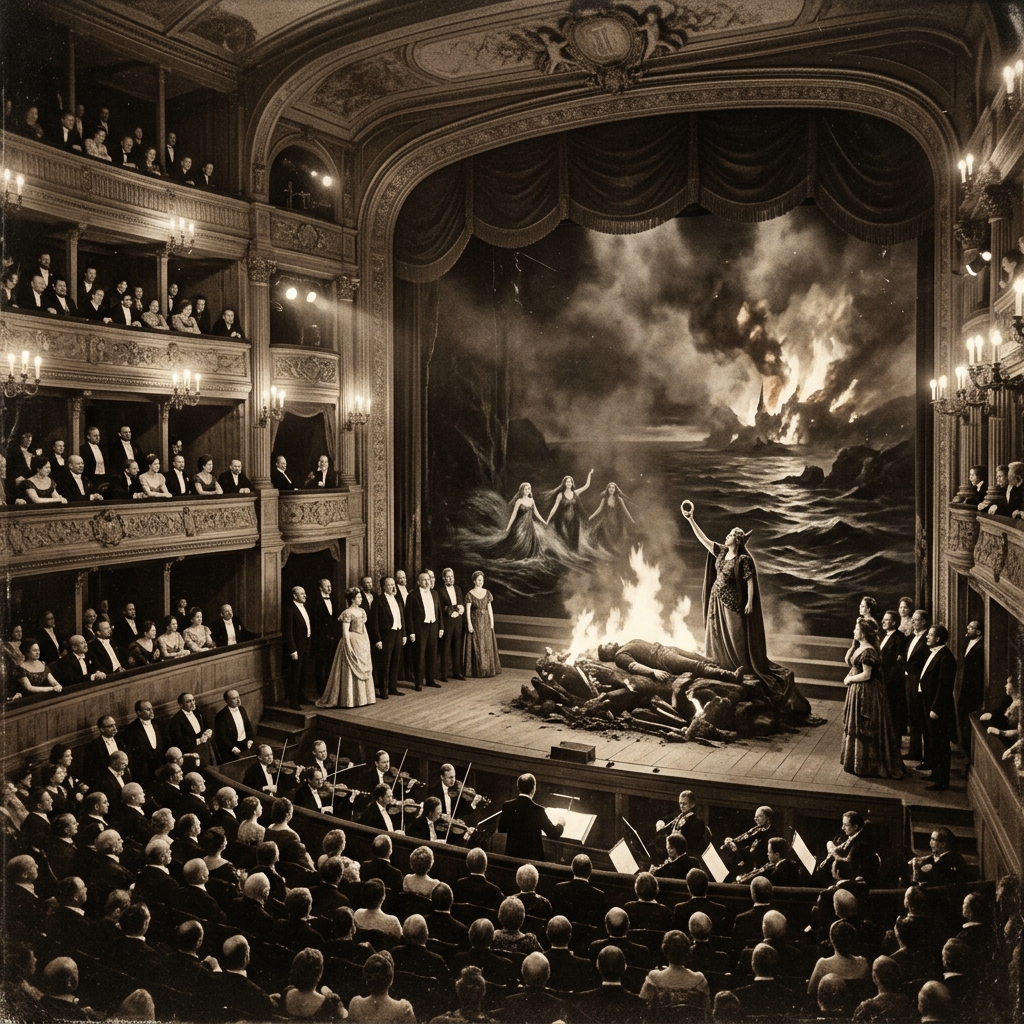
The most significant artistic adaptation of the Nibelungen material is Richard Wagner’s tetralogy The Ring of the Nibelung, which premiered in 1876 in Bayreuth. The work consists of four parts:
- Das Rheingold
- The Valkyrie
- Siegfried
- The Twilight of the Gods
All four parts together last around 14 to 16 hours. Wagner drew not only on the Nibelungenlied, but also on the Norse Edda and the Völsunga saga – and transformed the material into a dark parable about power, greed and the downfall of the gods. Wagner’s Ring remains one of the most monumental works in the history of opera and has significantly shaped the image of the Nibelungs for modern audiences.
Modern adaptations
The Nibelungen saga has a rich history of adaptations:
- Fritz Lang: Die Nibelungen (1924) – a two-part silent film (Siegfried’s Death / Kriemhild’s Revenge); a milestone of German silent cinema, visually and narratively impressive
- Numerous novels, retellings and plays from the 20th and 21st centuries
- Computer games and fantasy adaptations that draw on individual motifs
What all adaptations demonstrate: the fundamental conflicts of the Nibelungen saga – betrayal among friends, the price of revenge, the curse of wealth – touch upon questions that never grow old.

The Nibelungen saga in LARP and reenactment
For anyone exploring the early Middle Ages, whether historically or through play: the Nibelungen saga is a central reference point in the Germanic heroic tradition. A character embodying the Migration Period or the early medieval Burgundian Kingdom moves within a world from which these stories originate.
The warriors of the Nibelungen saga – whether Burgundian retainer, Hunnic fighter or distant hero on a bride-seeking expedition – are historically inspired characters with great potential for portrayal. Knowledge of the historical background (Burgundians, Huns, Migration Period) and the literary motifs (dragon, treasure, cloak of invisibility, revenge) makes every portrayal deeper and more credible.


Letters from the trading house
New arrivals, market dates and offers, straight from Rinchnach. Unsubscribe any time with one click.
Subscribe to the newsletter