


Carnival costume monk fancy dress costume


The monk’s costume is one of the most timeless fancy dress outfits for Carnival – and if you take a closer look, you’ll soon see why: the monk’s robe is iconic, instantly recognisable and, at the same time, surprisingly versatile, whether as a quick one-off costume or as part of a well-thought-out group look. Here you’ll find monk’s robes made from genuine natural fibres, matching accessories and everything you need for a cohesive look.
What monks actually wore: robes, habits and hoods explained

A monk’s robe is called a habit – this is the general term for the entire monastic garment. It consists of several parts: the long tunic or robe as the base garment, the scapular (a shoulder-width cape), a cord belt and the cowl – the characteristic hood that offers the monk anonymity and protection. The cowl is not merely an ornament, but has spiritual significance in monastic tradition: it symbolises humility and a turning away from the world.
Anyone familiar with the colour symbolism can immediately identify the order from the habit: brown stands for the Franciscans, black for the Benedictines, and white for the Cistercians. These colour codes have endured for centuries and remain recognisable worldwide to this day. A genuine monastic habit is made from natural materials – coarse wool or cotton – and features loose, floor-length cuts. A carnival costume from a discount store, on the other hand, often uses thin polyester fabric and simplified cuts that only roughly hint at the historical model.
The complete monk look: accessories that make all the difference

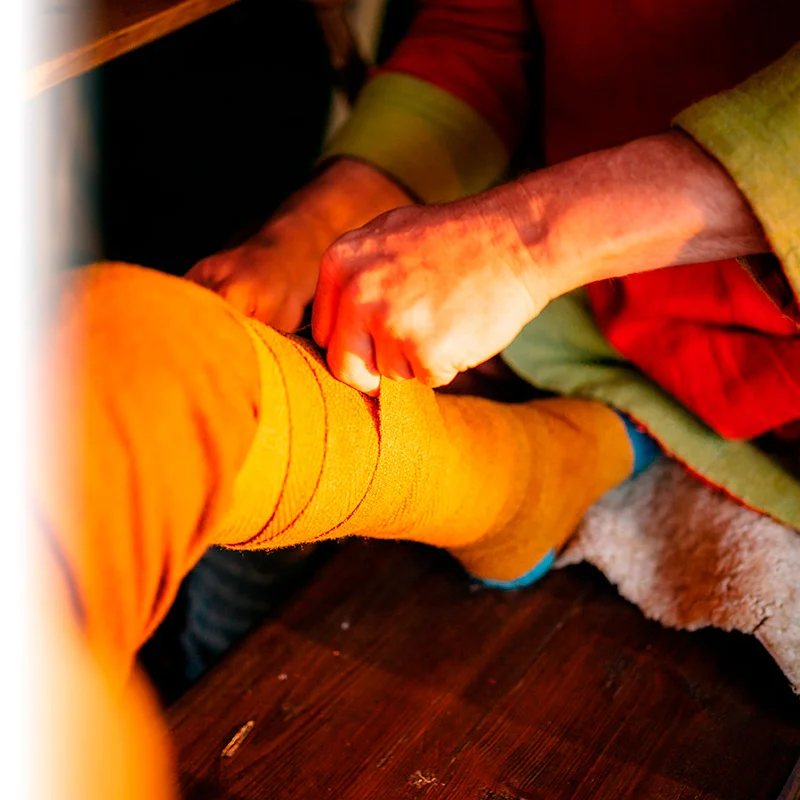
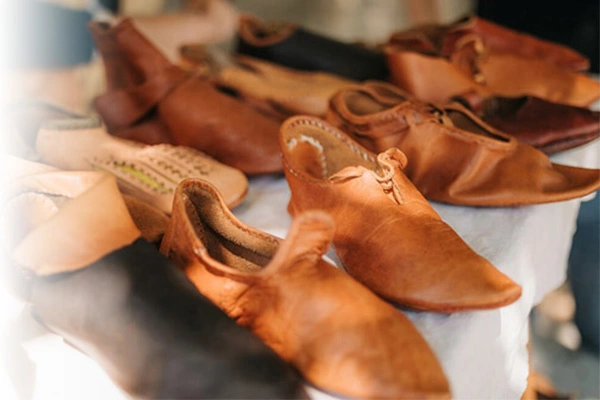
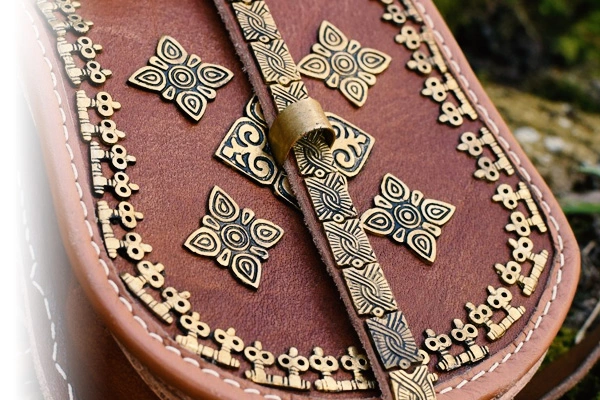
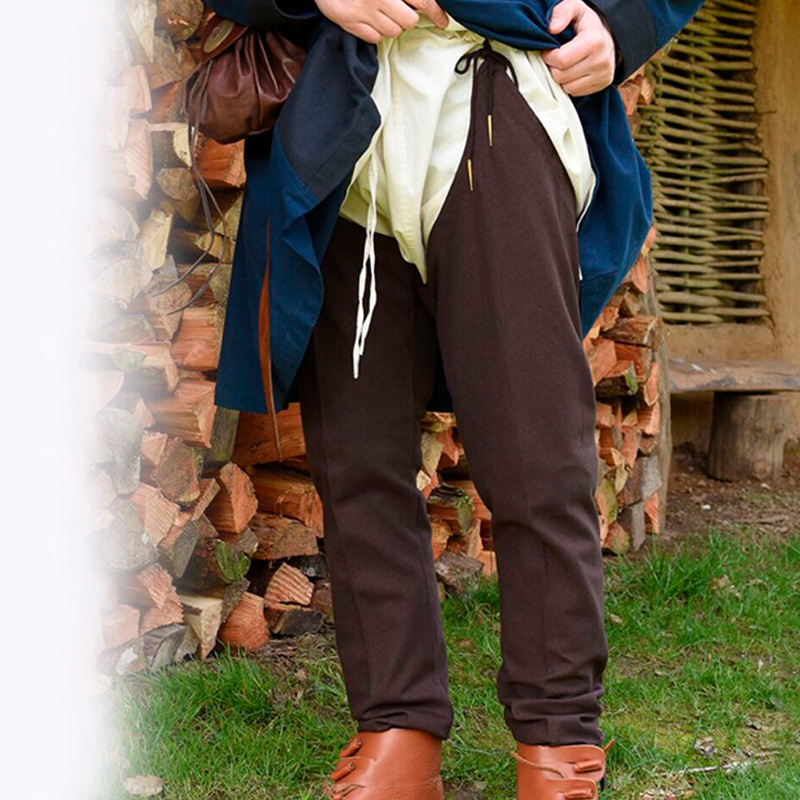
A convincing monk’s look consists of more than just the habit. It is the details that make the overall picture: lace-up shoes or medieval shoes in shades of brown complement the habit authentically, whilst modern trainers immediately spoil the effect. Add to this ecologically dyed woollen socks in shades of brown – an affordable accessory that nevertheless makes a visible contribution to the overall look. A leather pouch on the belt rounds off the look convincingly and is also practical for loose change or keys at the party.
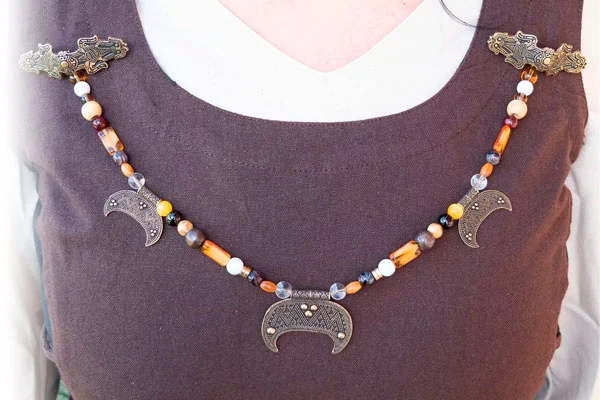
For a religious touch, a simple cross necklace from the medieval jewellery range is ideal. The general principle applies: those who combine individual pieces deliberately rather than buying a complete set often achieve a more convincing result – and can continue to use the items separately later on. The monk’s habit, as a starting point, can be gradually expanded depending on your budget.
Monk costumes for men and women: who wears what?

Historically, the monk’s robe is cut in a gender-neutral style – a loose-fitting, floor-length robe with a hood suits both women and men equally. Sizes range from S/M to XXL/XXXL, with the loose cuts allowing plenty of room and working well for most body shapes. Fit guide: For women, an S/M robe often falls to the ankles; for men, it ends slightly shorter depending on height – which is actually historically accurate.
The monk works particularly well as a group or couple’s costume: monk and nun is a classic combination that works instantly and requires little explanation. Those looking for a broader thematic scope will find further costume options in the Medieval Carnival Costumes category, or can venture into the mystical with the Magician Carnival Costume.
Price guide: Monk costumes from budget to high-end
Brown wool socks, a small leather pouch or a belt cord to complement your existing habit. Ideal if you already have the costume and just want to add a few accessories. Eco-friendly dyed wool socks are available from €12.61 (2 pairs).
Complete monk’s robes from the mid-price range offer solid workmanship and sufficient fabric for a convincing appearance. For one-off events or if the costume is primarily intended for carnival, this price range is the right choice.
The Habit of St Francis (brown) and the Habit of St Benedict (black) made from coarse cotton – both priced at €75.55 each – are the top of the range. Carefully crafted from genuine natural fibres, with a hood and drawstring belt. These habits will last for several seasons and can be worn at medieval markets after Carnival. Cheaper plastic costumes from discount stores rarely achieve this level of durability.
Natural fibres vs. synthetics: Why the fabric matters
- Breathable – comfortable for partying in warm rooms
- Temperature regulation: warms in the cold, cools in the heat
- Gentle on the skin, no itching or sweating as with synthetic fibres
- Washable: cotton at 30–40 °C, wool on a gentle cycle, no tumble drying
- Can be worn on multiple occasions – for carnival and afterwards for markets or re-enactments
- Natural appearance, authentic drape
- Inexpensive to manufacture, often very affordable
- Hardly any breathability – you sweat through it quickly
- Heat builds up, particularly at indoor events
- Often thin and loses shape after the first wash
- Hardly suitable for subsequent events
- Not suitable for medieval markets or re-enactments
Our own brand, Vehi Mercatus, uses only natural fibres such as cotton and wool – a conscious decision, not a matter of course. Anyone buying a monk’s habit that will still be fit for purpose after the Rose Monday parade is better off in the long run with a natural-fibre habit.
Brown, black or beige: which monk’s costume suits you?
Franciscan habit
The brown habit is the most recognisable image of a monk – instantly identifiable as a Franciscan. Coarse cotton, loose fit, hood and drawstring included. The brown habit is the classic choice for Carnival and Fasching. Available in three sizes: S/M, L/XL and XXL/XXXL.
Benedictine habit
The black version represents the Benedictine Order – with a slightly darker feel, ideal for Halloween parties or when the look should be more mystical than cheerful. Same material quality as the Franciscan habit, also available in three sizes.
Accessories & Extras
Wool socks in shades of brown, ecologically dyed, and a leather pouch on the belt turn the habit into a complete outfit. For an even more authentic look, we recommend medieval lace-up shoes instead of modern shoes.
Celebrate Carnival with knowledge: What you should know about the monk costume
The complete monastic robe is called a habit. It consists of a long tunic (cowl), a scapular, a belt cord and a hood, also known as a cowl. The cut, colour and details vary depending on the order – the brown of the Franciscans and the black of the Benedictines are the best-known colour variations in German-speaking countries.
Costumes displaying symbols that are contrary to the constitution (e.g. Nazi symbols) are prohibited by law. Furthermore, there is a social expectation to avoid costumes that caricature ethnic groups or parody religious or cultural identities in an offensive manner. The monk costume falls into none of these categories – it is a widely accepted, classic Carnival costume with no discriminatory character.
According to regular surveys in Germany, witches, pirates, princesses and monks are among the consistently most popular carnival costumes. The monk scores highly for its recognisability and ease of creation: a habit, a hood and a belt are enough – and the look is immediately clear. This makes it particularly popular for group costumes and last-minute decisions.
The monk costume is one of the simplest solutions for last-minute costume needs: a cassock, a belt cord and woollen socks are perfectly sufficient as a base. If you’re even short on time, you can order a simple brown or black cassock and put together a workable look using a rope as a belt and a cross from your household items. Alternatively, there are other easy-to-put-together costumes: knights, Vikings or pirates are similarly straightforward.
Carnival costumes made of cotton can usually be machine-washed at 30–40 °C. Wool requires a gentle cycle at a maximum of 30 °C and should be dried flat – never in the tumble dryer. Although synthetic costumes are machine-washable, they often lose their shape after just a few washes. Costumes made from natural fibres will last for many years with proper care.
Whether you’re looking for a one-off outfit for the Rose Monday parade or something for regular medieval markets – at Vehi Mercatus you’ll find monk costumes made from genuine natural fibres, in various colours and sizes, as well as the matching accessories for a cohesive overall look. Have a browse through the category now and put your outfit together.
Frequently asked questions
The habit is the general term for a monk’s entire religious garb. The cowl refers to the long, floor-length tunic as the main garment. The hood is the hood attached to the habit and historically symbolises humility and protection. The habit is complemented by a scapular (shoulder-width cape) and a cord belt.
Both colours are historically accurate and available in our range. Brown represents the Franciscans, black the Benedictines. For carnival, brown is the best-known and most frequently chosen option. Black has a slightly darker feel and is also suitable for Halloween parties.
Yes. The monk’s habit is gender-neutral in its historical cut – a loose-fitting, floor-length habit with a hood suits both women and men equally well. The available sizes range from S/M to XXL/XXXL. For women, the S/M habit is usually ankle-length; for taller men, it is correspondingly shorter.
The robe and belt cord form the basis. For a more convincing overall look, we recommend ecologically dyed woollen socks in shades of brown, a leather pouch on the belt and medieval lace-up shoes instead of modern shoes. A simple cross necklace completes the look. All these accessories are available separately.
Natural-fibre habits made of cotton or wool are also suitable after Carnival for medieval markets, re-enactment events or LARP events. Synthetic costumes from discount stores, on the other hand, are usually only intended for one-off use and lose their shape after a few washes. A high-quality habit made of coarse cotton will last for many years with proper care.